Peshawar Museum: A Complete Guide
A grand museum holds one of the great treasures of the ancient world. This grand museum guards a vast store of Gandhara Buddhist art. A red brick colonial hall houses its famous collections. Buddha statues and old relics fill its many galleries. Few museums on earth hold such Buddhist wonders. This guide covers the Peshawar Museum for the curious traveller. It explains the setting the building the collection the star exhibits and how to visit.
This guide offers a general overview. Details and figures vary between sources.
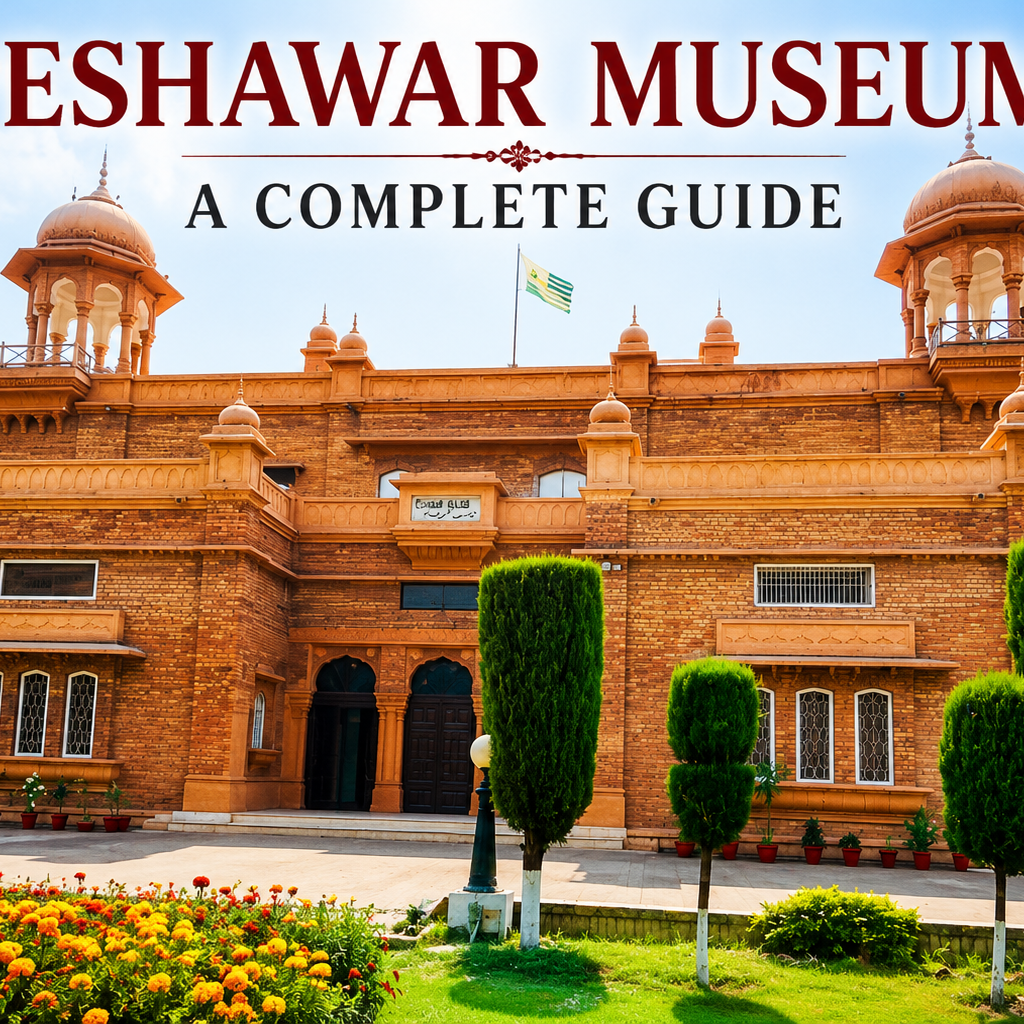
Quick answer: The Peshawar Museum is one of the largest museums in Pakistan, famed for one of the finest collections of Gandhara Buddhist art on earth. Housed in a red brick colonial hall built in 1907 as the Victoria Memorial Hall, it holds around 14,000 artefacts. Sculptures of the Buddha from the great Gandhara sites form its heart. Its star exhibits include the Fasting Buddha and the Kanishka casket. This great museum is set on the Grand Trunk Road in Peshawar. Spring and autumn are the finest seasons.
About the Peshawar Museum
A grand museum rises on the Grand Trunk Road. It is located in the heart of the city. Red brick walls mark its grand old hall. Galleries of ancient art fill the building.
A world treasure fills the museum. Its Gandhara collection ranks among the finest anywhere. Statues and relics tell of a Buddhist past. Scholars travel far to study the works.
This museum holds a vast store of art. Around 14,000 artefacts fill its galleries. Buddhist sculptures form the greatest part. Coins, weapons and crafts round out the store.
A long history marks the great museum. British hands founded it in 1907. It has grown through the years since. New galleries have joined the old hall.
Building of Peshawar Museum
A grand old hall houses the museum. British builders raised it in the colonial age. Its first name honoured Queen Victoria. This red brick hall opened its doors in 1907.
A blend of styles marks the building. British, Mughal and Buddhist forms meet in its walls. Cupolas and pinnacles crown the roof. This mixed design suits the treasures within.
Public funds helped raise the hall. People of the frontier gave much of the cost. Officials of archaeology added the rest. So the museum rose from many hands.
A great building has grown over the years. Two large halls joined it in the 1960s. A new block came in later decades. Galleries, stores and a cafe now fill the site.
Gandhara collection in Peshawar Museum
A Gandhara collection forms the pride of the museum. Its Buddhist art ranks among the best on earth. Sculptures line the main hall and galleries. Few places hold so much of this heritage.
Gandhara art blended East and West. Greek and Roman touches shaped its style. Sculptors carved the Buddha in flowing robes. Their work spread far across ancient Asia.
Diggers gathered the art from many sites. Takht i Bahi and Sahri Bahlol gave up treasures. Shah ji ki Dheri and Jamal Garhi added more. British scholars unearthed them long ago.
These sculptures tell the story of the Buddha. Panels show his life and former births. Miracles and teachings fill the carved stone. A whole world of faith unfolds in the galleries.
Star exhibits in Peshawar Museum
This museum holds some world famous treasures. A few exhibits draw visitors from afar. Their fame has spread across the globe. Each tells a part of the Gandhara story.
A great masterpiece marks the museum the Fasting Buddha. This statue shows the Buddha thin with fasting. Every rib and vein shows sharp in the stone. Many call it the finest of all Gandhara art.
A rare relic joins it the Kanishka casket. Diggers found it near Peshawar long ago. It once held fragments believed to be of the Buddha. Kharosthi script marks its ancient surface.
Other fine works fill the halls. A figure of Hariti shows a Greek touched grace. Carved panels and heads crowd the cases. Each piece rewards a careful look.
Other galleries of Peshawar Museum
A great museum holds far more than Gandhara art. Islamic and Mughal works fill some halls. Coins, weapons and crafts line the cases. A rich sweep of history unfolds inside.
Islamic art graces the upper galleries. Wooden mosque facades bear fine inscriptions. Multani tiles and ceramics glow with colour. Miniature paintings recall the Mughal age.
Coins tell the tale of many empires. Thousands fill the trays of the museum. Many date back to the pre Islamic ages. Each small piece marks a passing power.
Ethnographic exhibits show local life. Attire, jewellery and household goods appear. Objects of Kalash culture join the display. A living heritage of the area shines here.
Visiting the Peshawar Museum
Come in spring or autumn. Summers grow hot on the Peshawar plain. Winters turn cool and crisp. Mild seasons suit a visit best.
Reach the museum with ease. A great road carries the museum the Grand Trunk Road. A rapid bus route stops nearby. An old city rests a short way off.
Allow plenty of time inside. These Gandhara galleries reward long study. Many visitors spend hours among the statues. A guide can bring the art to life.
Take in the star exhibits. A famous statue the Fasting Buddha, draws every visitor. Its Kanishka casket rewards a close look too. Bring time for the other galleries too.
Frequently asked questions
Why is the Peshawar Museum famous? A grand museum is famous above all for its collection of Gandhara art among the largest and finest in the world. Housed in a grand red brick colonial hall in the heart of Peshawar, it holds around 14,000 artefacts. Pride of place goes to Buddhist sculptures from the Gandhara civilisation. This grew in the area from the first century to the fifth. This museum is renowned for its statues of the Buddha, including the celebrated Fasting Buddha. Rare relics such as the Kanishka casket also draw the eye. It offers a remarkable window on the ancient Buddhist heritage of the country.
What is Gandhara art? Gandhara art is a style of Buddhist art that flourished in the area around Peshawar and the wider Gandhara civilisation from about the first to the fifth centuries. It is known for its striking blend of Eastern and Western influences, combining Buddhist subjects with Greek and Roman styles. This shows above all in the flowing robes and lifelike features of its Buddha figures. Sculptors carved scenes from the life of the Buddha, his former births, his miracles and his teachings along with individual statues and relic caskets. This museum holds one of the finest collections of this art in the world.
What is the Fasting Buddha? A most celebrated exhibit the Fasting Buddha ranks among the masterpieces of Gandhara art. This statue shows the Buddha during his years of extreme fasting, his body worn thin so that every rib, vein and sinew shows sharp in the carved stone. It captures the spiritual discipline of the Buddha in a way that has moved viewers for centuries. Many regard it as the very essence of Gandhara sculpture. Visitors often spend a long time before this remarkable statue, drawn by its power and its lifelike detail.
What is the Kanishka casket? A rare and precious relic the Kanishka casket came from the site of Shah ji ki Dheri near Peshawar during excavations in the early 20th century. A small casket, inscribed in the ancient Kharosthi script, once held fragments of bone believed to be relics of the Buddha. These were later given to Buddhists in Burma and re enshrined there. This casket itself remains on display in the museum a treasured link to the Kushan age and the Buddhist heritage of the area. It ranks among the most important objects in the collection.
When is the best time to visit the Peshawar Museum? A best time to visit the Peshawar Museum is in spring from around March to April. Autumn from October to November, is also mild and pleasant. Summers on the plain can be very hot, though the museum itself offers a cool refuge from the midday heat, while winters are cool and comfortable. This museum is a fine place to spend several hours at any time of year, given the size and richness of its collection. Visitors keen to study the Gandhara galleries in depth should allow plenty of time.
Treasure house of Gandhara
A grand museum forms the great treasure house of Gandhara. This grand hall guards a vast store of Buddhist art. Red brick walls and cupolas crown its colonial past. Buddha statues and rare relics fill its galleries. A famous Fasting Buddha and Kanishka casket draw the world. Few museums hold such wonders of the ancient East.
You may come to the Peshawar Museum for the art the history or the relics. This museum rewards the visit either way. You can stand before the famous Fasting Buddha. You can trace the life of the Buddha in carved stone. You can wander galleries of Mughal and Islamic art. Come to the Peshawar Museum and discover the treasures of Gandhara. This is the great museum of the frontier.