Peshawar: A Complete Guide
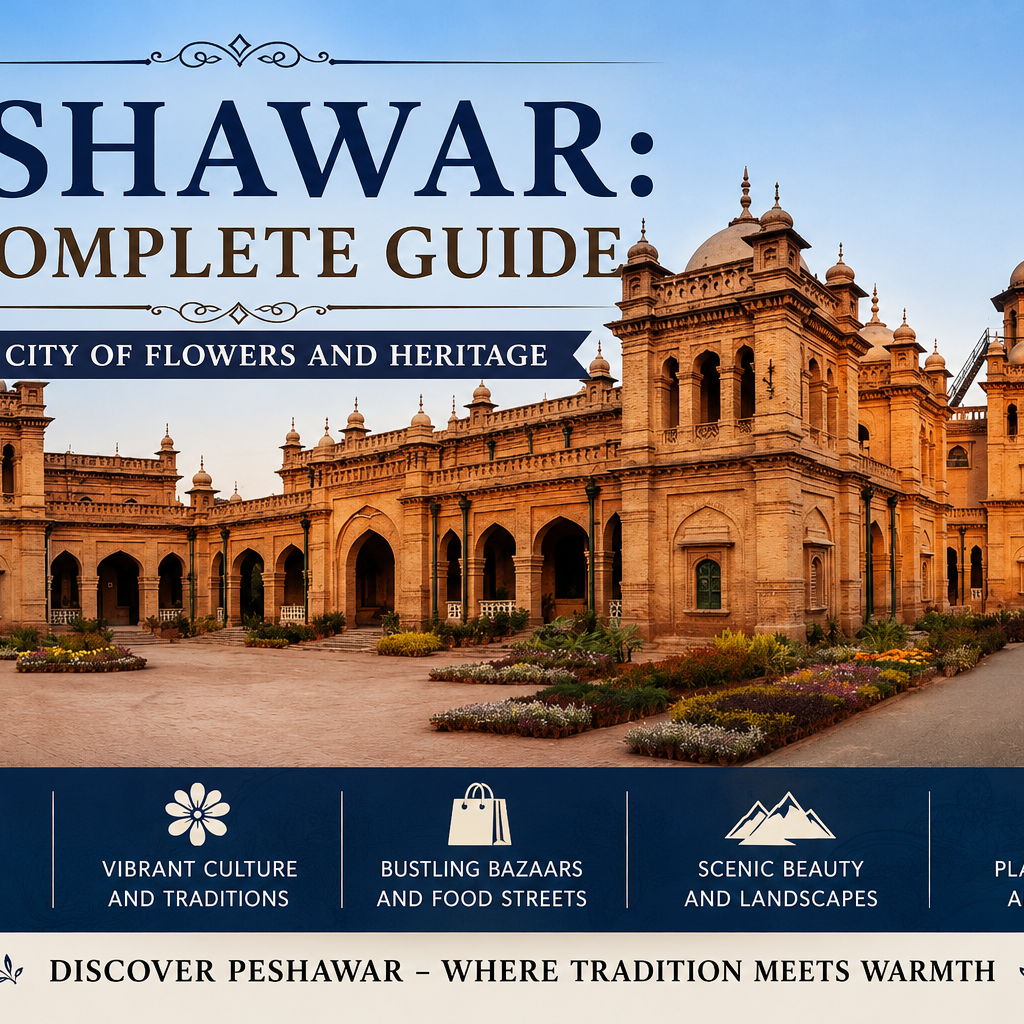
Peshawar is the ancient heart of Khyber Pakhtunkhwa. This great city is one of the oldest on earth. People call it the City of Flowers for its gardens. Its bazaars have told stories along the Silk Road for centuries. Forts, mosques and museums crown its long history. This guide covers Peshawar for the curious traveller. It explains the setting the history the old city the attractions the food and how to visit.
This guide offers a general overview. Details and figures vary between sources.
Quick answer: Peshawar is the capital of Khyber Pakhtunkhwa and one of the oldest living cities in South Asia with a history of over 2,000 years. Known as the City of Flowers, it grew as a Silk Road gateway near the Khyber Pass, between Central and South Asia. Its highlights include Bala Hisar Fort the storied Qissa Khwani Bazaar the Mahabat Khan Mosque and the world class Gandhara art of the Peshawar Museum. This city is famed for its Pashtun hospitality and its food. Spring and autumn are the finest seasons.
About Peshawar
Peshawar is the capital of Khyber Pakhtunkhwa. This great city is set in the far north west of Pakistan. It is located near the mouth of the Khyber Pass. A gateway to Central Asia, it has long linked two worlds.
An ancient city fills the plain. Peshawar counts among the oldest living cities on earth. Its story reaches back more than two thousand years. Few cities can claim such deep roots.
A fond nickname marks the city. People call Peshawar the City of Flowers. Gardens and blossoms once graced its streets. This name has stayed with the city through the ages.
A great crossroads shaped its fate. Trade routes met here between Asia and the subcontinent. Caravans passed through on the old Silk Road. This traffic made Peshawar rich and famous.
History of Peshawar
Peshawar carries a history of many ages. Its ancient name was Purushapura. It rose as a great centre of the Gandhara world. Buddhist learning flourished here long ago.
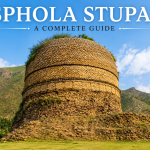
A Kushan empire raised the city high. Kanishka built a mighty stupa here. This tower ranked among the tallest in the ancient world. Pilgrims travelled far to see it.
Empire after empire ruled the city. Greeks, Mauryans and Hindu Shahis held it in turn. Ghaznavids and Mughals followed after them. Each left a mark on Peshawar.
Later ages brought fresh rulers. Durrani Afghans and Sikhs took the city in turn. British forces made it a great frontier town. So the layers of history piled ever higher.
Old city and its heritage
An old city holds the soul of Peshawar. Narrow lanes wind between old houses. Bazaars and mosques crowd the ancient quarter. History lives on in every street.
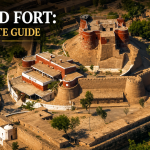
Bala Hisar Fort crowns the skyline. This great fortress rises on a hill. Mughals built it and Sikhs rebuilt it later. Its walls have guarded the city for ages.
A Mahabat Khan Mosque is a Mughal gem. Shah Jahan reigned when it was built. White marble and fine frescoes adorn it. Its calm courtyard rewards a visit.
Old havelis grace the walled city. Its Sethi Houses show a rich merchant style. Central Asian touches mark their fine woodwork. These homes recall the wealth of old traders.
Attractions in Peshawar
Peshawar rewards the curious visitor. Its sights blend the ancient and the living. History fills its forts and museums. Colour fills its bustling bazaars.
Qissa Khwani Bazaar is the great market. Its name means the Storytellers Market. Traders once shared tales over cups of green tea. Today it brims with spice, cloth and dry fruit.
A world treasure fills the Peshawar Museum. Its Gandhara collection ranks among the finest anywhere. Statues and relics tell of a Buddhist past. A red brick building blends Mughal and British styles.
Gor Khatri crowns a historic mound. Layers of history lie beneath this complex. A caravanserai and temple stood here in turn. This site holds the memory of many ages.
Food and culture of Peshawar
Peshawar is a paradise for food lovers. Its dishes carry the flavour of the frontier. Grilled meats and rich rice fill the menus. Namak Mandi is the great food street.
Charsi tikka draws crowds to Namak Mandi. Cooks grill the meat with little more than salt. Karahi sizzles in heavy woks nearby. Simple skill brings out the flavour.
Rice and bread round out the table. Kabuli pulao layers rice with meat and fruit. Chapli kebab fries flat and spiced. Fresh naan comes hot from the tandoor.
Green tea flows through the culture. Kahwa warms the long conversations here. Hospitality runs deep among the people. A guest is welcomed with warmth and food.
Visiting Peshawar
Come in spring or autumn. Summers grow fiercely hot on the plain. Winters turn cool and crisp. Mild seasons are the finest for a visit.
Explore the old city on foot. Chowk Yadgar makes a good starting point. Lanes lead to bazaars, mosques and havelis. A morning walk beats the heat and crowds.
Save time for the museum. Its Gandhara art is reason enough to visit. Few travellers see this world class collection. Allow an hour or two to enjoy it.
Taste the food of the frontier. Namak Mandi rewards a hungry visitor. Green tea follows a rich meal. Bring an appetite for the local dishes.
Frequently asked questions
Why is Peshawar called the City of Flowers? Peshawar is known as the City of Flowers because of the gardens and blossoms that once graced the city and its surroundings. This nickname has stayed with it through the centuries. Set in the far north west of Pakistan, near the mouth of the Khyber Pass, Peshawar has long welcomed travellers. Caravans crossed here between Central and South Asia. This name reflects both the natural beauty of the area and the warmth of its people. Today the flowers share the city with ancient forts, bustling bazaars and a rich history spanning over two thousand years.
What is the history of Peshawar? Peshawar is one of the oldest living cities in South Asia with a history of more than two thousand years, once known by the ancient name of Purushapura. It rose as a great centre of the Gandhara civilisation and a hub of Buddhist learning under the Kushan empire. In that age the mighty Kanishka Stupa stood among the tallest structures of the ancient world. Over the centuries the city was ruled in turn by Greeks, Mauryans, Hindu Shahis, Ghaznavids, Mughals, Durrani Afghans, Sikhs and the British. Each of these left its mark, making Peshawar a living museum of history.
What are the main attractions in Peshawar? Peshawar offers a rich mix of historical and cultural attractions. Most famous of all are Bala Hisar Fort the great hilltop fortress overlooking the city, plus Qissa Khwani Bazaar the legendary Storytellers Market. A 17th century Mahabat Khan Mosque, built in the reign of Shah Jahan, is a Mughal masterpiece of white marble and fine frescoes. This museum holds one of the finest collections of Gandhara Buddhist art in the world. Other highlights include the Gor Khatri archaeological complex and the traditional Sethi Houses with their Central Asian woodwork.
What food is Peshawar famous for? Peshawar is famous for its rich Pashtun cuisine, centred on grilled meats, hearty rice dishes and fresh bread. A most celebrated food street is Namak Mandi, known across the country for charsi tikka, grilled with little more than salt, plus karahi cooked in heavy woks. Other signature dishes include Kabuli pulao a fragrant rice layered with meat and dried fruit. Chapli kebab is a flat, spiced patty fried on a griddle. Meals are often finished with kahwa a green tea that flows through the long, warm conversations for which the city is known.
When is the best time to visit Peshawar? A best time to visit Peshawar is in spring from around March to April. Autumn from October to November, is also mild and pleasant. Summers on the plain can be very hot, making sightseeing tiring in the middle of the day, while winters turn cool and crisp. Spring brings blossom and comfortable days that suit walking through the old city and its bazaars. Whatever the season, early mornings are the best time to explore the narrow lanes and markets before the heat and crowds of the day build up.
Gateway of the frontier
Peshawar is the great gateway of the frontier. This ancient city has linked Asia to the subcontinent for millennia. Forts, mosques and museums crown its long story. Bazaars brim with spice, cloth and the memory of storytellers. Rich food and warm hospitality reward every visitor. Few cities carry such deep and living history.
You may come to Peshawar for the history the bazaars or the food. This city rewards the visit either way. You can climb to the walls of Bala Hisar Fort. You can wander the lanes of Qissa Khwani Bazaar. You can marvel at the Gandhara art in the museum. Come to the City of Flowers and discover its story. This is Peshawar, gateway of the frontier.