Dera Ismail Khan: A Complete Guide
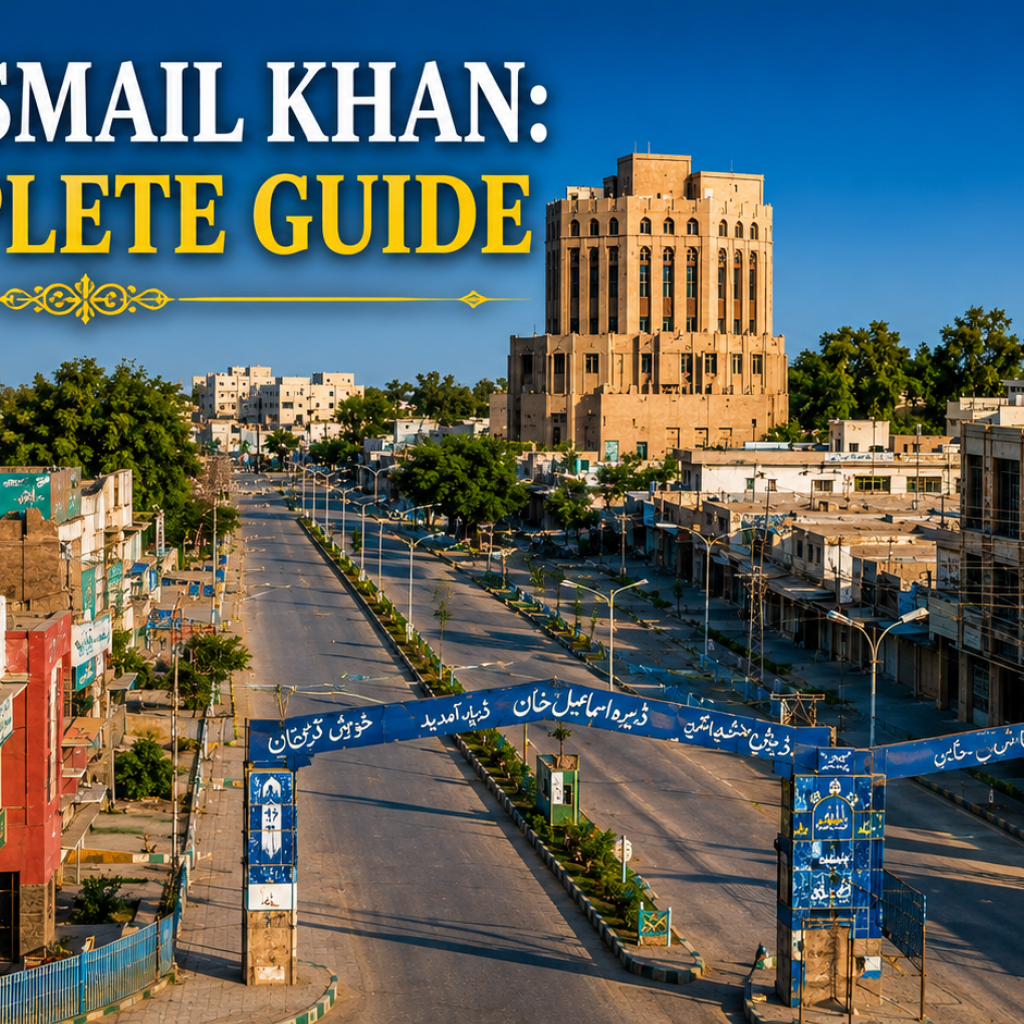
Dera Ismail Khan is the great river gateway of southern Khyber Pakhtunkhwa. This old city rests on the west bank of the Indus. This city links the province to Punjab, Balochistan and beyond. Ancient ruins and Hindu temples crown its long heritage. Sweet dates and famous halwa carry its name far. This guide covers Dera Ismail Khan for the curious traveller. It explains the setting the history the heritage the food and how to visit.
This guide offers a general overview. Details and figures vary between sources.
Quick answer: Dera Ismail Khan is a divisional city of southern Khyber Pakhtunkhwa. It is set on the west bank of the Indus River at its junction with the Gomal, some 300 kilometres south of Peshawar. Known as D.I. Khan, it serves as a gateway between the province, Punjab and Balochistan. Its highlights include the ancient site of Rehman Dheri and the Hindu Shahi ruins of Kafir Kot. This city is famed for its dhakki dates and its sohan halwa. Spring and autumn are the finest seasons.
About Dera Ismail Khan
Dera Ismail Khan is a divisional city of southern Khyber Pakhtunkhwa. It is located on the west bank of the Indus River. A tributary the Gomal, joins it close by. Flat, fertile plains spread along the water.
A great gateway shapes its role. This city links the province to Punjab and Balochistan. Roads run east to Punjab across the river. Highways reach west towards Quetta and beyond.
Its position has long given it weight. A great highway runs down from Kohat and Bannu. A new motorway links it to Islamabad. Dera Ghazi Khan faces it across the river.
People often shorten the long name. Most call the city D.I. Khan for ease. In the Saraiki tongue dera means a camp. Ismail Khan gave his name to the town.
History of Dera Ismail Khan
Dera Ismail Khan carries a long and layered story. Ancient peoples settled this stretch of the Indus. Ruins of old civilisations dot the country. Deep history rests beneath the plains.
A Baloch chief founded the town. Malik Sohrab led his people here in the 15th century. His son Ismail Khan gave the town its name. Rulers of Multan granted them the land.
An old town met a watery end. Indus floods washed it away in 1823. A new town rose a little way off. Durrani chiefs laid out its streets.
British rule reshaped the district. They made Dera Ismail Khan a district in 1849. A municipality followed in 1867. Roads and a bridge bound it to the wider country.
Ancient heritage of Dera Ismail Khan
Dera Ismail Khan holds some very ancient sites. Old mounds and ruins ring the city. They recall civilisations thousands of years old. Few areas hold such deep human roots.
Rehman Dheri is a wonder of the ancient world. This site dates back over five thousand years. It ranks among the oldest towns in South Asia. Walls and streets show an early planned town.
Kafir Kot raises its ruins by the river. An ancient Hindu temple complex crowns the hill. Five temples and a great fort still stand. Their carved stone recalls the Hindu Shahi age.
More sites dot the country around. Bilot Sharif holds a southern Kafir Kot. Its Lal Mahra tombs date to early Islamic times. This heritage spans many faiths and ages.
Food and culture of Dera Ismail Khan
Dera Ismail Khan is famed across the country for its food. Sweet dates and rich halwa carry its name. Saraiki culture shapes daily life here. Warm hospitality greets every guest.
Dhakki dates are a great local treasure. These dates win praise for their size and taste. Growers ship them across Pakistan and abroad. Few dates match the fame of the dhakki.
Sohan halwa is the pride of the city. Many judge it the finest in Pakistan. Confectioners guard their old recipes closely. This sweet rivals the famous halwa of Multan.
Local dishes round out the table. Sobat is a beloved dish of the area. Crafts add colour to the markets. Weavers make lungis and lacquered woodwork.
Visiting Dera Ismail Khan
Come in spring or autumn. Summers grow fiercely hot on the plains. Winters turn mild and pleasant. Cooler seasons suit a visit best.
Reach the city with ease. A great highway runs down through Kohat and Bannu. A motorway links it to Islamabad. A local airport serves the district too.
Explore the ancient sites nearby. Rehman Dheri rewards a keen traveller. Kafir Kot crowns a hill by the river. A day can take in several ruins.
Taste the food of the city. Sohan halwa makes a fine gift to carry home. Dhakki dates ripen sweet in season. Bring an appetite for the local sweets.
Frequently asked questions
Why is Dera Ismail Khan important? Dera Ismail Khan is a major divisional city of southern Khyber Pakhtunkhwa and an important gateway between the province, Punjab and Balochistan. Set on the west bank of the Indus at its junction with the Gomal, it is set at a crossroads of highways. A busy highway runs down from Kohat and Bannu a motorway links it to Islamabad and roads reach west towards Quetta. This position has long made it a hub for trade and travel across the wider country. Its fame also rests on a deep history a strong Saraiki culture and its famous dates and sweets.
What does the name Dera Ismail Khan mean? A name comes partly from the Saraiki word dera, meaning a tent, camp or encampment. This word appears in the names of several towns along the Indus Valley. It takes the rest of its name from Ismail Khan the son of a 15th century Baloch chief named Malik Sohrab. His people founded the settlement after they were granted land along the Indus frontier. Together the words mean something like the camp of Ismail Khan. People often shorten it to D.I. Khan, both in speech and in writing, for the sake of ease.
What is Kafir Kot? Kafir Kot is an ancient Hindu temple and fort complex set on a hill near the Indus River in the Dera Ismail Khan district. Dating back well over a thousand years to the Hindu Shahi age, it holds the ruins of five stone temples enclosed within a large fort. Their carved walls still stand after many centuries. This site is often called the northern Kafir Kot, to distinguish it from a southern Kafir Kot near Bilot Sharif, some distance to the south. For visitors, Kafir Kot offers a striking glimpse of the ancient Hindu heritage of the area and its long, layered past.
What food is Dera Ismail Khan famous for? Dera Ismail Khan is famous above all for two things, its dhakki dates and its sohan halwa. Grown in the area the dhakki dates are prized across Pakistan for their large size and rich taste. Growers export them to markets at home and abroad. A sohan halwa of the city is widely judged among the finest in the country a dense, sweet confection that rivals the famous halwa of Multan. Confectioners guard their old recipes closely. Local dishes such as sobat add to the food culture, making the city a fine stop for those who love good food.
When is the best time to visit Dera Ismail Khan? A best time to visit Dera Ismail Khan is in spring from around February to March. Autumn from October to November, is also mild and comfortable. Summers on the plains can be very hot with high temperatures that make the middle of the day tiring, while winters are generally mild and pleasant. Cooler months suit sightseeing at the ancient ruins and travelling around the district. Dates ripen towards late summer, so those keen to taste the famous dhakki dates fresh may wish to plan around the harvest season.
Gateway on the Indus
Dera Ismail Khan is the great gateway on the Indus. This old city links the province to Punjab and Balochistan. Ancient mounds and Hindu temples crown its long heritage. Sweet dates and famous halwa carry its name far. Highways and a motorway meet at its doors. Few cities hold such a crossroads place in the south.
You may come to Dera Ismail Khan for the history the food or the river. This city rewards the visit either way. You can explore the ancient town of Rehman Dheri nearby. You can climb to the Hindu ruins of Kafir Kot. You can carry home the sohan halwa and dates of the city. Come to D.I. Khan and discover the gateway on the Indus. This is the river city of the south.