Multan: A Complete Guide
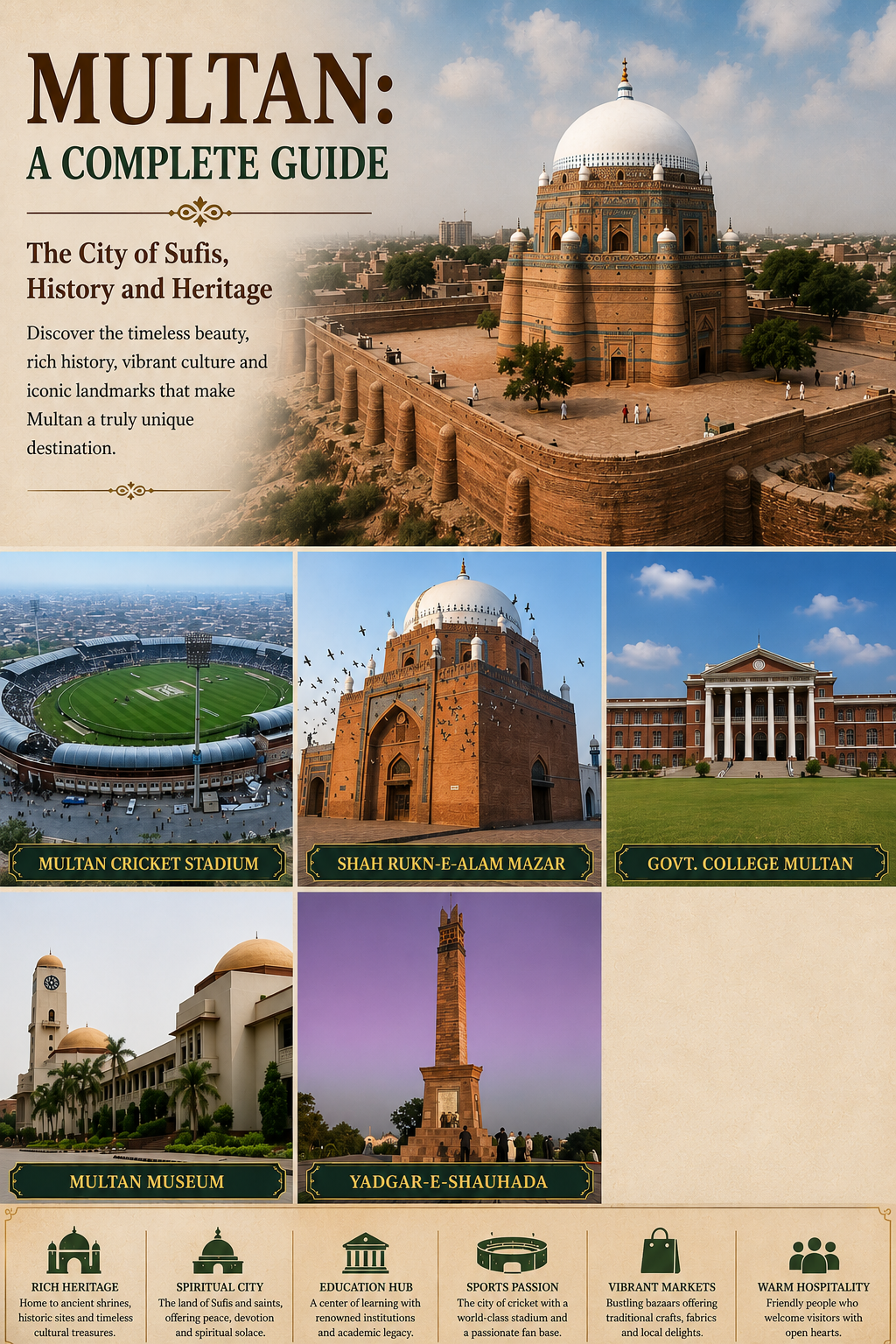
Multan is one of the oldest living cities on earth. It is known across the region as the City of Saints. Its skyline is crowned with the blue tiled domes of Sufi shrines. Its bazaars, mangoes and crafts have drawn traders for millennia. It is also the great urban hub of southern Punjab. This guide covers Multan for the curious traveller. It explains the history the layout the sights the economy the property scene and how to visit.
This guide offers a general overview. Figures for the population and the history vary between sources.
Quick answer: Multan is a historic city in southern Punjab. It lies on the banks of the Chenab River. It is one of the oldest continuously inhabited cities in the region, with over 5,000 years of history. It is known as the City of Saints for its many Sufi shrines. It is famous for its blue pottery, its sweet mangoes and its bazaars. It is a major hub for cotton and textiles. The old walled city is its historic heart. Winter is the best time to visit.
About Multan
Multan is a great city of the south. It is one of the largest cities in the country. It lies in the heart of southern Punjab. It is the main urban hub of the region, deep in history and faith.
The city is ancient beyond measure, with roots reaching back over 5,000 years. It is one of the oldest continuously inhabited cities in Asia. Few places anywhere can claim such age.
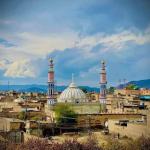
It is known as the City of Saints a name that honours its many Sufi shrines. Locals call it Madina tul Auliya. Pilgrims come to it from across the region.
Chenab River shapes the city that lies along its banks. The riverside is a fine spot in winter. Water has always shaped the life of the place.
History of Multan
History spans millennia. Multan grew from an ancient fortified settlement that witnessed the Indus Valley Civilisation and has seen empires rise and fall ever since.
It was a great trade hub. The city sat on the old Silk Road as the gateway between South and Central Asia, where gold, spices and textiles passed through it for centuries.
Conquerors came in waves. Alexander the Great besieged the city in his campaign. Muhammad bin Qasim took it in 712. Later rulers included the Langah sultans. Each left a mark on the city.
Sufi age transformed it. Great saints settled here from the 11th century and built the khanqahs and mausoleums, including the blue tiled tomb of Shah Rukn e Alam, that still crown the skyline.
British added a new layer. They built a cantonment of wide streets and bungalows beside the old city. A railway network soon followed. This contrast still defines the urban fabric.
Layout of Multan
Multan divides into distinct zones. The old walled city is the historic core. The colonial cantonment lies beside it, with newer suburbs spreading beyond.
Walled city is the heart. Narrow lanes wind between old havelis. The Clock Tower rises at the centre. Locals call it the Ghanta Ghar. Old gates ring the district. The great bazaars fill it.
Old fort area rises above the city. This raised mound once held a citadel and now holds the most iconic shrines, with Qasim Bagh lying alongside.
Modern city spreads outward. New residential areas ring the old core. Commercial centres and academic institutions fill them. The old centre remains its soul.
Sights in Multan
Sufi shrines are the great draw. The tomb of Shah Rukn e Alam dominates the skyline, while the shrines of Bahauddin Zakariya and Shah Shams Tabrez lie nearby. Their own dedicated guides cover them in detail.
Old fort area rewards a visit. It holds shrines and panoramic views. Qasim Bagh Stadium lies within it. The dedicated guide to Multan Fort covers the site. The Clock Tower anchors the centre. This colonial era tower rises amid the bazaars. The busy surrounding streets are a fine place to watch Multan pass by.
Gates and bazaars reward the wanderer. Haram Gate and Bohar Gate lead to old markets. Hussain Agahi Bazaar is a great hub. Each gate has its own micro bazaar. The dedicated craft guides cover the wares.
Economy and property
Multan is a thriving economic hub, long fuelled by its location at a trade crossroads. It has a dry port and strong rail links, with agriculture and industry both driving it.
Cotton is central to the economy. The region is a great cotton producer whose textile mills fill the district that grew up around the trade.
Mangoes are world famous. The intense heat sweetens the fruit. Varieties such as Chaunsa anwar Ratol and Langra grow here for export worldwide.
Property market is growing as the city expands. New housing societies ring the city. Areas near the bypass and the newer developments draw the most buyers. The old city offers heritage living at modest cost.
Property choice is varied. The walled city suits those who value heritage. The cantonment offers colonial era calm. The new suburbs offer modern amenities. Each suits a different buyer.
Visiting Multan
Come in the cooler months. Multan is one of the hottest cities in the country. Summer temperatures can approach fifty degrees. The winter months from November to February are best. The heat is fierce at other times.
Time a visit with the Urs. The shrines hold great annual festivals. The Urs of the saints draw huge crowds. Hotels fill quickly then. The dedicated guide to the festivals covers them.
Stay near the walled city. This puts the heritage on your doorstep. Budget hotels serve the area. The bazaars and shrines lie close. It offers the authentic pulse of the city.
Explore on foot and by rickshaw. The old city is best seen on foot. Rickshaws cover the longer hops. A rapid transit bus line links the districts. A local guide helps in the lanes.
Frequently asked questions
Why is Multan called the City of Saints? Multan is called the City of Saints because of its many Sufi shrines. Locals know it as Madina tul Auliya. Great Sufi saints settled here from the 11th century and built khanqahs and mausoleums. The blue tiled tombs of Shah Rukn e Alam, Bahauddin Zakariya and Shah Shams Tabrez draw pilgrims from across the region. This deep spiritual heritage has shaped the identity and the skyline of the city for centuries.
How old is Multan? Multan is one of the oldest continuously inhabited cities in Asia, with roots stretching back over 5,000 years. It was once a key outpost of the Indus Valley Civilisation. It was later a stronghold of Hindu sun worship, with a legendary Sun Temple. It has been ruled by many empires, from Alexander the Great to the Mughals, Sikhs and British. Figures for its exact age vary. Its antiquity is beyond doubt.
What is Multan famous for? Multan is famous for several things. It is the City of Saints, known for its blue tiled Sufi shrines. It is a great centre of Multani blue pottery and camel skin lamps. It produces some of the sweetest mangoes in the world, including Chaunsa and Anwar Ratol. It is a major cotton and textile hub, often called the Manchester of Pakistan. Its bazaars, gates and sohan halwa are also well known.
When is the best time to visit Multan? The best time to visit Multan is the cooler months, from November to February. The city is one of the hottest in the country, with summer temperatures that can approach fifty degrees. Winter brings mild, pleasant weather ideal for exploring the shrines and bazaars. The city also fills with pilgrims during the annual Urs festivals of its Sufi saints. Hotels can book up quickly at those times.
What is the property market like in Multan? The property market in Multan is growing as the city expands. New housing societies ring the city. Demand rises with its growth. Areas near the bypass and the newer developments attract buyers. The old walled city offers heritage living at modest cost. The cantonment offers colonial era calm. The new suburbs offer modern amenities. Each area suits a different kind of buyer.
Ancient soul of the south
Multan is the ancient soul of southern Punjab. It has lived for over five thousand years by the Chenab. It wears the blue domes of its saints like a crown. It fills its bazaars with mangoes, pottery and sohan halwa. It anchors the commerce of the whole region. Few cities carry such age and such faith.
You may come to Multan for the shrines the crafts or the history. The city rewards the visit either way. You can climb the old fort mound to the great tombs. You can lose yourself in the bazaars by the Clock Tower. You can taste the sweetest mangoes on earth in summer. Come in winter and stay near the walled city. Multan is the beating heart of the south.